
Introduction to Cupping Therapy
We love to integrate cupping therapy into our treatments here at ELBOW Sports Massage, as a complementary medicine, often lovingly referred to as ‘attack of the octopus’ by many of our clients. Although cupping therapy make look like an intense therapy due to the red circular marks that the cups sometimes leave behind, cupping therapy methods can be relatively gentle and pain free.
Often, we use cupping therapy in addition to sports and remedial massage to enhance how effective the treatment is, not least because we can leave the cups on one part of the body, while working on another. It’s a great way to get a good bang for your buck!
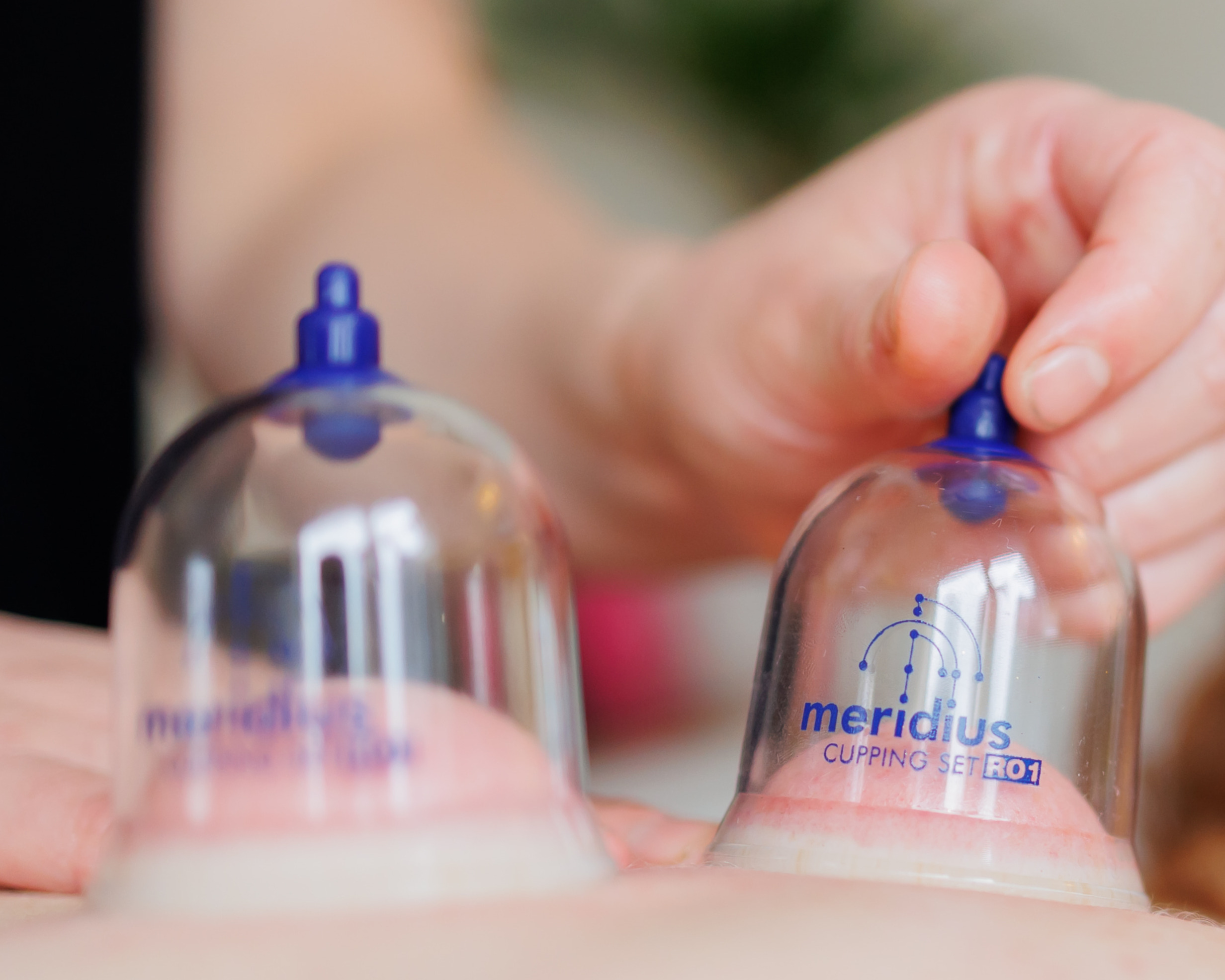
The suction effect draws the skin and underlying tissues upward into the cup, which can help loosen tight muscles, alleviate stiffness, encourage blood circulation, and encourage relaxation.
The health benefits of cupping therapy extend beyond muscle pain relief. It is believed to stimulate the immune system, enhance circulation, and promote detoxification by flushing out metabolic waste and toxins. Many people also use cupping to address conditions such as migraine headaches, arthritis, and respiratory issues, although scientific evidence supporting these claims varies.
Although we will discuss the practice of wet cupping or fire cupping, we felt it important to stipulate that wet cupping or fire cupping is not a service we provide and all of our therapists are fully trained professionals.
Included in this blog is information about:
- Cupping therapy
- The history and origins of cupping therapy
- How cupping therapy works and the medical perspective
- The different types of cupping methods including wet cupping, dry cupping, and fire cupping
- What a cupping therapy session looks like
- The benefits of cupping therapy including pain management
- The safety and side effects of cupping therapy
- How to choose a practitioner
- You can click here to skip to the FAQ section at the end
What Is Cupping Therapy?
Cupping therapy is an ancient healing technique where a trained professional puts special cups on your skin to create suction. The negative pressure draws skin and superficial tissues upward, temporarily increasing blood flow to the affected area and creating distinctive pressure changes beneath the surface.
Modern cupping treatments typically use glass cups, plastic cups with hand pumps, or squeezable silicone cups. The practice is commonly offered by acupuncturists, massage therapists, and physiotherapists in clinical settings worldwide.
The most common use for cupping therapy in modern day primarily for chronic pain conditions, neck pain, shoulder pain, and back pain, along with sports recovery and stress relief. The technique gained massive visibility during the 2016 Rio Olympics when athletes including Michael Phelps displayed prominent circular marks, sparking global curiosity about this traditional method.
While rooted in traditional Chinese medicine and other historical healing systems, cupping is classified as traditional and complementary medicine in countries like the US, UK, Canada, and Australia. It’s considered a supportive therapy rather than a replacement for conventional medical treatment.
History and Cultural Origins of Cupping
Records trace cupping to ancient Egypt around 1550 BCE, where the Ebers Papyrus described horn-based suction for various ailments. Classical Greek medicine followed suit with Hippocrates recommending cupping for diverse conditions, establishing it within early Western medical practice. Meanwhile, early Chinese medicine texts integrated cupping as “báguàn,” specifically addressing ‘qi’ and blood stagnation.
Materials evolved significantly over centuries. Early practitioners used animal horns and bamboo to draw out perceived impurities. Then, bronze and glass cups emerged during Greco-Roman and Islamic periods, eventually giving way to today’s plastic and silicone options with mechanical hand pumps.
Cupping serves distinct purposes across traditions:
- Traditional Chinese Medicine (TCM): Used to disperse stagnation, particularly for respiratory issues, back pain, and neck pain along energy meridians.
- Islamic and Middle Eastern practice: Known as “Hijama,” wet cupping therapy is linked to Prophetic hadith traditions, often performed on specific lunar days (17th, 19th, 21st) at points on the head, back, and calves.
- Eastern European and Russian folk medicine: Employed heated cups to treat colds, fevers, and “drawing out chill”.
- Traditional Persian medicine: Incorporated cupping as part of broader humoral balancing approaches.
Western interest surged after the early 2000s, fuelled by celebrity endorsements, athlete visibility, and social media amplification of cupping sessions shifting the practice from niche alternative to mainstream wellness option.
How Cupping Works: Claimed Mechanisms vs. Scientific View
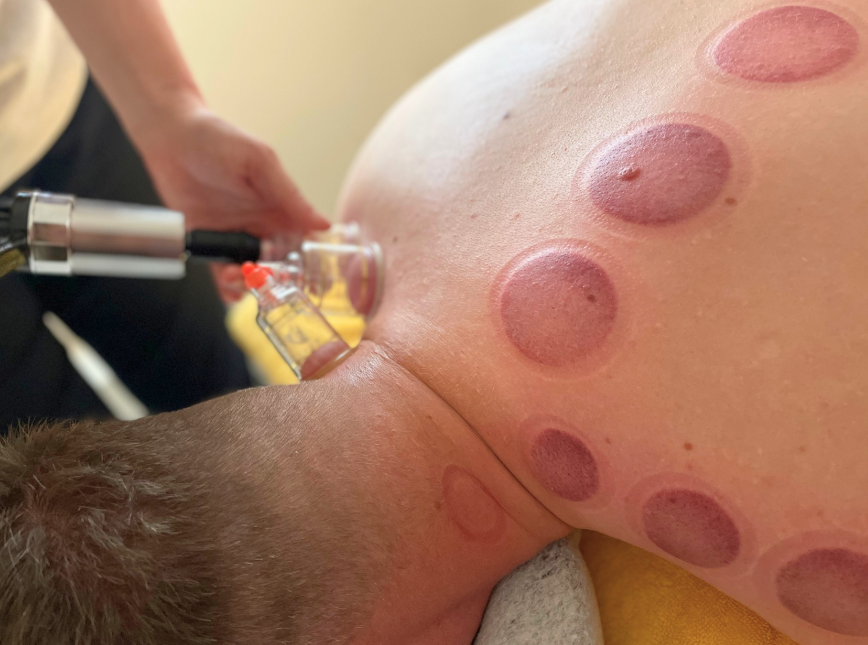
When cups are applied, negative pressure pulls skin and subcutaneous tissues upward. This causes temporary capillary dilation and minor rupture of blood vessels, increasing blood flow and lymphatic drainage while creating the characteristic skin discolouration.
Traditional and Practitioner Claims of Cupping Therapy
Cupping therapy gets talked about in a few different ways, depending on where you’re coming from.
Some will say say it helps pull “toxins” out by drawing older, stagnant blood up toward the surface. That’s one way of looking at it, although from a modern perspective, it’s more about how the suction affects circulation in the area.
What we do know is that cupping increases blood flow and fluid movement around the muscles and joints. That extra circulation can help shift areas that feel tight, stiff, or a bit stuck.
In more traditional frameworks like Chinese medicine, it’s explained slightly differently. The idea is that cupping helps move things like “cold,” “dampness,” or blocked energy “qi” through the body: different language, same general goal of getting things moving again.
There’s also a physical response happening in the tissue itself as the suction creates a stretch through the skin and fascia, which can trigger a local inflammatory response. That sounds dramatic, but it’s part of how the body kicks off repair and recovery.
So while the explanations vary, the common thread is this: cupping is about improving movement in the tissue, both in terms of circulation and how everything slides and functions together.
The Scientific Perspective of Cupping Therapy
There isn’t strong evidence that it “detoxifies” the body in a biochemical sense. The marks you see are simply from small capillaries under the skin responding to the suction, similar to a light bruise rather than anything being pulled out.
The research around cupping is mixed, but there are some promising findings: a number of studies suggest it can help with short term pain relief for musculoskeletal issues. One study on wet cupping reported a 66% reduction in migraine severity and fewer headache days per month.
That said, a lot of the research is still limited due to many studies being small, or combining cupping with other treatments, which makes it harder to isolate its exact effect.
In terms of how it works, there are a few likely factors: the stimulation of the skin and nerves can influence how pain is processed, and the suction can trigger a local response in the tissue that supports recovery. On top of that, the wider treatment context matters too as the environment usually represents relaxation, switching off, and the interaction with your therapist all feed into how your body responds.
So overall, it’s probably not one single mechanism, but a combination of physical and nervous system effects working together.
Types of Cupping Therapy
Modern clinics differentiate cupping techniques by tools, intensity, and goals. Understanding these cupping methods helps you make informed decisions about treatment.
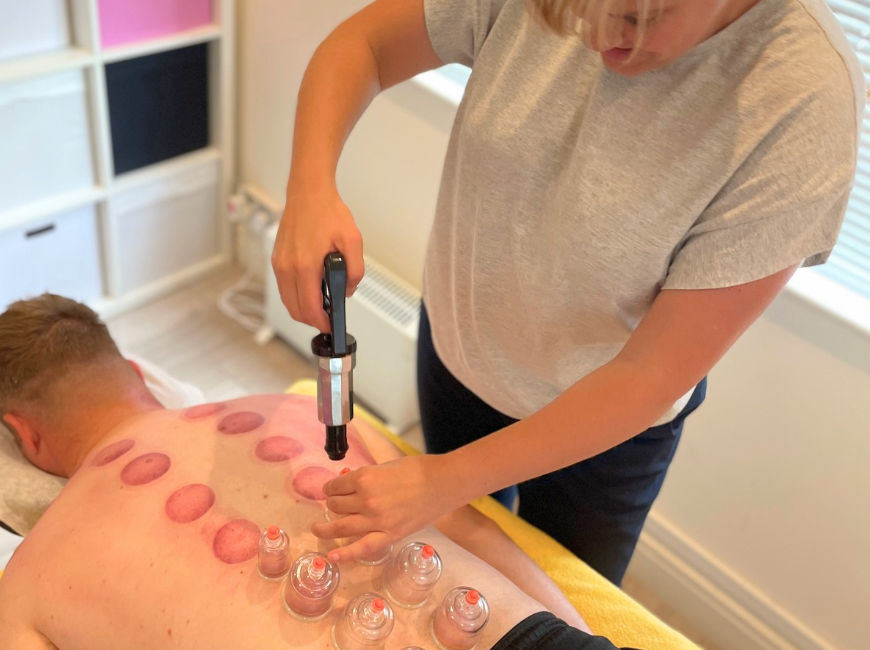
Dry cupping is the most prevalent form, using plastic or glass cups with hand pumps or brief heat for static suction without bloodletting. Cups remain in place for 3–10 minutes, targeting the back, shoulders, and hamstrings for chronic muscle tightness and desk-related tension. Dry cupping therapy generates mild suction to moderate pressure depending on practitioner technique. Dry cupping is the main method of cupping therapy we implement here at ELBOW.
Wet cupping (Hijama) combines initial suction (typically 3 minutes) with superficial scalpel incisions (0.5–1mm deep), followed by re-application for 10–15 minutes to draw blood. This method is especially associated with Islamic traditional practice at sunnah points. Wet and dry cupping differ significantly in risk profile as wet cupping carries elevated concerns for skin infections and scarring, necessitating sterile blades and thorough disinfection.
Fire cupping employs flame inside glass cups to remove air inside and create rapid vacuum through oxygen displacement. This traditional method produces intense suction for deeper effect but risks burns if mishandled by practitioner or patient, plus, the heated cups require precise timing and skill.
Silicone or gliding cupping involves soft silicone cups squeezed and placed on oiled skin, then moved along muscles for a massage-like effect. This gentler style is popular for large areas like thighs and back, often called “massage cupping” and it produces less intense cupping marks while still improving blood flow. We also use gliding cupping therapy for maximum results.
Flash cupping uses rapid on-off applications to dynamically stimulate tissues without prolonged suction in any single cupping site.
Magnetic cupping embeds neodymium magnets inside disposable cups, claiming to influence “energy flow” and microcirculation. However, evidence for added benefit beyond regular cupping is minimal and no comparative trials demonstrate superiority according to reviews from academic sources.
What a Cupping Session Looks Like
A typical cupping session depends on the area and requirements from the cupping therapy. It’s usually integrated into a normal massage session, with active cup time around 5–15 minutes. Knowing what to expect helps reduce anxiety about the process:
Before the Session
Your practitioner will conduct a consultation reviewing health history including any medications, bleeding disorders, pregnancy, skin conditions. They’ll inspect your skin and explain placement sites, commonly the back, shoulders, neck, or knees and informed consent is standard in clinical practice.
During the Session
The process typically follows these steps:
- Skin is checked for skin infections and optionally oiled (especially for gliding techniques)
- 3–7 cups are applied via pump or flame
- Suction is gradually built while monitoring comfort
- Static cups remain fixed for 5–10 minutes, or moving cups glide across lubricated areas
Sensations range from tight pulling or mild pinching to warmth. Communication with your cupping therapist is essential and you must inform them immediately if pressure becomes uncomfortable.
After the Session
Expect immediate warmth, and mild soreness at treatment sites. Skin discoloration with red to dark-purple circles usually (but not always) appear where cups were applied, fading within 3–14 days based on suction intensity, duration, and individual healing. Generally our clients report feeling more relaxed and having increased mobility immediately after a cupping therapy session.
Aftercare typically includes:
- Hydrating well
- Avoiding hot showers, saunas, or intense exercise for 24–48 hours
- Monitoring for anything unusual, or prolonged irritation
Uses, Benefits, and Evidence of Cupping Therapy
Many people report symptom relief from cupping, but strong scientific evidence remains limited for most claimed indications.
Common Applications
Cupping therapy is commonly used to address musculoskeletal pain, including conditions such as chronic back pain, neck and shoulder pain, and knee pain. It is also used to target myofascial trigger points that contribute to muscle tension and discomfort, as well as aid in breaking down of scar tissue.
Additionally, cupping therapy is employed by athletes and active individuals to help improve recovery and reduce the risk of muscle and soft tissue injuries.
What Research Shows
Clinical trials and meta-analyses report short-term reductions in pain scores (1–2 points on visual analog scales) and improved function for chronic back and neck pain. However, studies are often small, at risk of bias, and lack long-term data beyond 6 months.
Benefits of cupping for conditions like hypertension, diabetes mellitus, or systemic inflammatory diseases are not well supported by high-quality research. Claims about body’s antioxidant processes enhancement remain unvalidated.
The Placebo Factor
Patient belief, therapist interaction, and relaxation account for part of perceived benefit. Reviewers consistently classify cupping as having inconclusive or low-certainty evidence for non-pain conditions. The healing process may be influenced as much by expectation as by physical mechanisms, but we say “if it works, it works!” Whether it’s placebo or not, doesn’t matter as long as you feel you’re getting the results.
Cupping can be a useful addition to a treatment plan for pain, especially when it sits alongside appropriate medical care and is done safely.
Safety, Side Effects, and Contraindications
Cupping is generally considered a low risk therapy when performed by trained practitioners using clean equipment. However, complications can occur.
Common, Usually Mild Effects
- Circular red or purple cupping marks lasting 7–14 days
- Temporary soreness, itching, or warmth at treatment sites
- Occasional fatigue, lightheadedness, or mild headache
Contraindications
Avoid cupping or proceed with extreme caution if you:
- Take anticoagulants (warfarin, aspirin) or have blood disorders like haemophilia
- Have uncontrolled diabetes mellitus or severe vascular disease
- Are pregnant (avoid abdomen and low back)
- Have open wounds, active skin conditions, varicose veins, or recent fractures
- Are a child, elderly, or immunocompromised
Always verify your practitioner uses properly sterilised cups, and ask to stop immediately if severe pain, burning, or feeling unwell occurs during your cupping therapy session.
Who Performs Cupping Therapy and How to Choose a Practitioner
In many regions, cupping itself isn’t tightly regulated, but practitioners typically hold qualifications in related fields. Professionals who offer cupping therapy include licensed acupuncturists, massage therapists, physiotherapists, chiropractors, osteopaths and traditional medicine physicians.
What to Look For
- Formal training or certification in cupping therapy recognised in the UK
- Current registration with a UK health professional regulatory body (e.g. MTI for complementary and massage therapists, BASRaT for Sports Therapists etc. )
- Adherence to UK hygiene and safety standards, including a clean environment, thorough hand washing, and proper sterilisation of reusable equipment.
Frequently Asked Questions (FAQ)
Is cupping therapy painful?
Most people feel strong pulling or tight pressure rather than sharp pain, especially during the first minutes as suction builds. Discomfort varies with suction strength, location (upper back typically tolerates more than ribs), and individual pain sensitivity. Always inform your practitioner immediately if sensations become painful so pressure or duration can be adjusted.
How often can I get cupping therapy?
Frequency depends on your goals and health status. Many practitioners space sessions 1–2 weeks apart for general pain or muscle tension, whereas athletes may receive lighter cupping more frequently during intensive training. Monitor how you feel for several days post-session and adjust frequency to avoid excessive bruising or irritation.
Can cupping help with weight loss or “detox”?
There’s no strong scientific evidence that cupping alone causes weight loss or significantly removes toxins from the body. Any sense of “detox” likely relates to increased circulation, mild inflammation, and relaxation, not the removal of specific chemicals. Focus on proven foundations: nutrition, activity, sleep, and medical care, and consider cupping only as an optional adjunct for comfort or stress relief.
Are marks left by cupping a sign that toxins are leaving my body?
The marks left by cupping aren’t a sign that toxins are leaving your body, but they do tell us something useful about how your body is responding to the treatment.
The colour and intensity mainly come down to the level of suction, how long the cups stay on, any fascial congestion in the area and your own circulation or hydration. Some people mark up more easily than others, and it may vary for the same person from session to session.
What’s happening under the skin is small capillaries responding to that lift from the cups, which creates the temporary discolouration, similar to a bruise. Alongside that, there’s a local inflammatory response, which plays a role in the body’s repair process.
Some traditional systems interpret the colours in more detail, but from a modern medical point of view, they’re not seen as proof of detox. They’re simply a visible sign that the tissue has been stimulated and the body is reacting.
Can I combine cupping with other treatments like massage, acupuncture, chiropractic or physiotherapy?
Yes, cupping is often combined with other treatments, and it can work well alongside them. We love to integrate cupping and believe it contributes to the success of treatment.
Many clinics include cupping within a session that also involves massage, stretching, or acupuncture. Each approach targets the tissue slightly differently, so combining them can help address tightness, discomfort, or restriction from multiple angles.
Make sure each practitioner knows what other treatments you’re having, especially if you tend to bruise or mark easily.
It’s also worth giving the area time to recover before going back in with more intense work. Once the marks have mostly faded and the tenderness has settled, the tissue is in a better place to handle further treatment, including more cupping or deeper manual therapy.
If you have any other questions or are interested in trying out cupping therapy, please don’t hesitate to get in touch to see if cupping therapy could be an option for you!


